
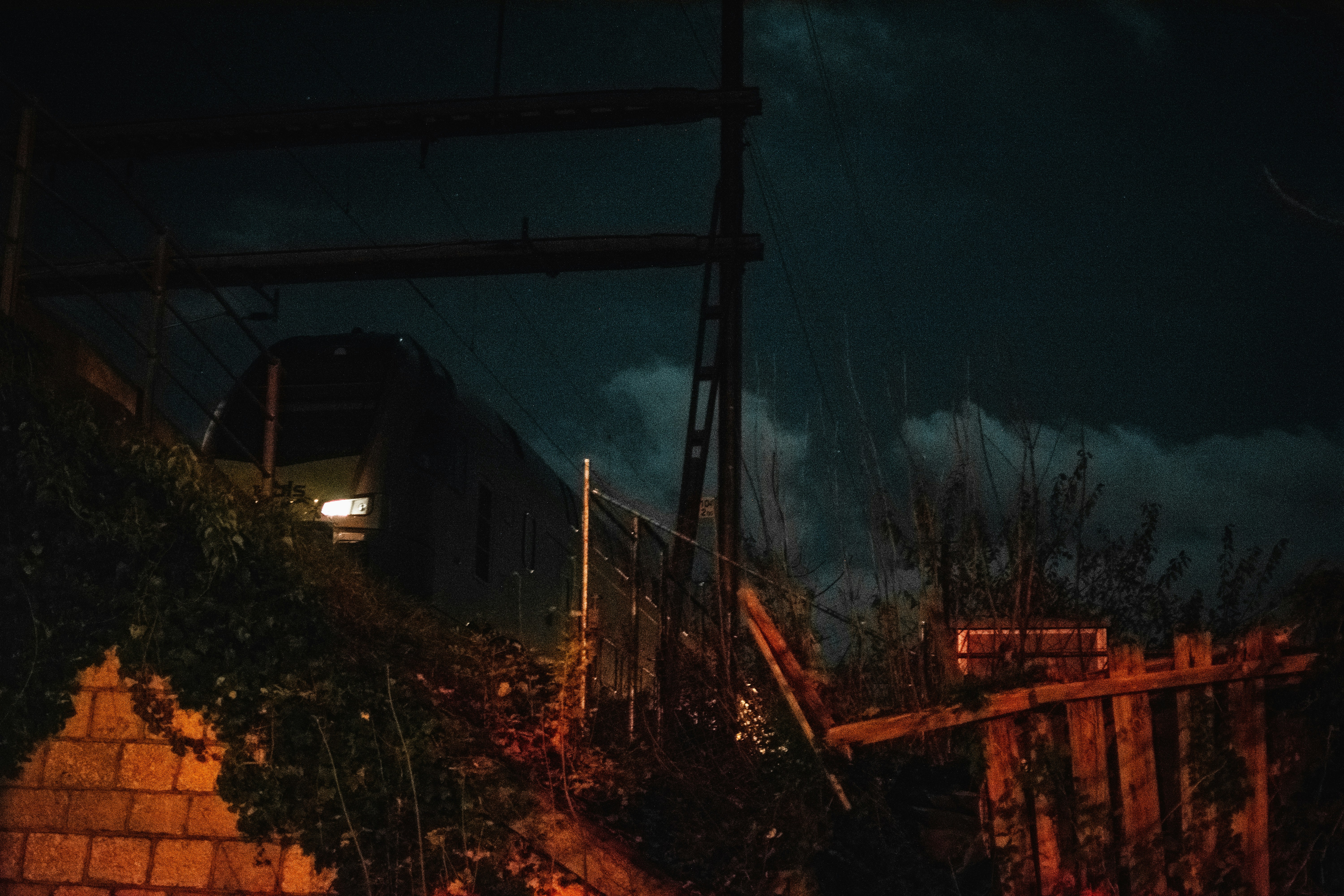
The Enigmatic Arrival
Nestled quietly in the hills, the small town of Eldridge is a place where time seems to stand still. Its cobblestone streets are lined with quaint shops and brick houses, where generations have shared stories under the glow of candlelight. Yet, beneath this tranquil surface lies an unsettling mystery that captivates both visitors and residents alike: the midnight train. This seemingly supernatural phenomenon has become the source of endless speculation and folklore among the townsfolk.
The arrival of the midnight train occurs without warning, cloaked in shadows and shrouded in the whispers of those who have witnessed its fleeting presence. Each night, as the clock strikes twelve, an eerie silence envelops the town, broken only by the distant sound of a train whistle echoing through the mountains. Some say it is a ghostly reminder of an era long past, while others believe it serves as a harbinger of change. Regardless of their beliefs, every resident has a tale about the train, igniting fear and fascination in equal measure.
The townsfolk’s superstitions are vast, with some attributing the train’s visits to the restless spirits of those who never reached their destination. Others, however, see it as an omen—a sign that something significant is about to transpire. Late-night gatherings around the flickering flames of bonfires have become rituals, where neighbors recount their experiences and offer explanations for the train’s phantom appearances. The atmosphere is laden with a sense of anticipation, as if the very air is charged with the promise of adventure and the unknown.
As more curious souls venture into the night seeking answers, the enigma of the midnight train deepens, weaving itself into the very fabric of Eldridge’s identity. Each train’s arrival sparks newfound excitement and dread, a reminder that not all journeys are meant to be understood, and some paths lead us into realms unknown.
Whispers of the Locals
The midnight train has become a point of fascination for many residents in the towns it passes. Accounts vary widely, with some townspeople eagerly sharing their thrilling encounters, while others recount tales that lean towards the eerie. This duality of excitement and unease enhances the train’s mysterious reputation, prompting more questions than answers about its purpose.
One local, a middle-aged shopkeeper named Helen, spoke fervently about her first sighting of the train. “I was closing up for the night when I heard the distant sound of a whistle. The world fell silent, and suddenly, the train appeared out of the fog, glowing under the moonlight. I was captivated and terrified all at once. It was as if it had come from another realm,” she recounted. Her tone blended excitement with an underlying fear of the unknown. This serves as one of many illustrations of how the train evokes both wonder and apprehension among the populace.
Conversely, not all tales are brimming with enthusiasm. An elderly resident, Mr. Thompson, shared his disquieting experience. “The train passed by with an eerie silence, like it was a ghost from the past. I have heard whispers in the night, tales of lost souls riding that train. What is it carrying? Is it a harbinger or a promise?” This fear of the train’s unknown intent prompts skepticism among the locals, who grapple with their most profound curiosities amidst stories of ghostly encounters and unexplainable phenomena.
As the train continues its late-night journeys, the varied narratives of town residents paint a vivid picture of intrigue. Their experiences invite us into a world where excitement mingles with fear, leaving many to ponder the true nature of the midnight train.
The First Boarding: Curiosity and Fear
The night was cloaked in an eerie silence, the kind that amplifies the pulse of one’s heart. As I approached the platform, a wave of anticipation washed over me, one that mingled with a profound sense of trepidation. The Midnight Train stood before me, its dark carriages illuminated by flickering overhead lights that cast a ghostly glow. Here, at the intersection of curiosity and fear, I felt an irresistible pull towards the unknown.
With each step closer, the sounds of the station faded into a distant hum. This train, rumored to venture into realms unseen, had always captivated my imagination. I had heard whispers of adventure and danger pervading its compartments. Yet, amidst the allure of the Midnight Train lay an equally potent fear—a fear amplified by stories of those who had disappeared or returned forever changed. It was this juxtaposition that ignited my inner conflict.
As I neared the entrance, I could almost hear the enticing allure of distant worlds calling out to me. The echoes of laughter and the haunting sighs of weary travelers seemed to intertwine in a melodic harmony, promising stories untold. However, the reality of crossing that threshold remained daunting. What awaited inside the train? Was it merely a journey of discovery, or could it plunge me into my darkest fears?
Standing at the threshold, I hesitated. I could feel the chill of uncertainty creeping into my bones, yet my intrigue overshadowed my apprehension. The allure of a possible adventure beckoned like a moth to a flame. In that moment, I realized that the act of boarding the Midnight Train symbolized not just a journey into the unknown but also a confrontation with my deepest fears and desires.
The Departure: A Leap into Darkness
As the midnight train prepared to leave the platform, an air of anticipation mingled with a touch of trepidation enveloped the passengers. The clatter of luggage wheels against the tiled floor seemed to reverberate through the cavernous station, drowning out the familiar sounds of the bustling commuters. For many, this moment was a poignant farewell to the known; a symbolic departure from their daily lives into the enigmatic abyss that awaited them during their journey.
As the last whistle echoed, the train engine roared to life, sending vibrations through the carriages. Passengers exchanged fleeting glances, silently acknowledging the unique bond forged by their shared choice to embark on this unusual expedition. Some felt a thrill coursing through their veins, excited by the prospect of the unknown, while others grappled with a contrasting knot of anxiety in their stomachs. Each individual was reflective, contemplating what might lie beyond their familiar confines.
As the train pulled away from the station, the lights flickered and faded into the distance, swallowed by the enveloping darkness. Outside the window, the world distorted into streaks of shadow and light, creating an ethereal canvas of movement that contrasted sharply with the passengers’ inner thoughts. The shrill whistle cut through the night air, a haunting reminder of the moment they left the safety of their known surroundings.
In this twilight ambiance, peculiar sounds emerged—the rhythmic thrum of the train tracks, the distant rumble of thunder, and the soft whisper of the wind as it brushed against the train’s exterior. This symphony of the night heightened their senses, ushering them into a realm where anything seemed possible. As the darkness embraced them, they were all acutely aware that they had collectively taken a leap into the great unknown, embarking on an unforeseen journey that would test their perspectives and perhaps unveil truths they had long since buried.
The Hidden Realms: Strange Destinations
The Midnight Train does not merely traverse the physical landscape; it delves deep into the fabric of the unknown, introducing its passengers to bizarre realms that challenge their understanding of reality. At each stop, the train offers glimpses into otherworldly destinations, where the laws of nature seem to behave differently and the familiar gives way to the unimaginable.
One of the most captivating stops is the Hall of Echoes, a haunting location where whispers of untold stories reverberate through the air. Here, passengers are enveloped in a palpable atmosphere that urges them to reflect on their own secrets and insecurities. The echoes themselves seem to possess a consciousness, drawing parallels between the passengers’ pasts and the spectral narratives resonating through the hall.
Another noteworthy destination is the Illogical Marketplace, a bazaar where time and space intertwine disruptively. Vendors offer wares that defy conventional logic: jars filled with bottled moments, clocks that tick backward, and stones that glow with the light of forgotten memories. Patrons often leave with items that provoke introspection, as they grapple with the implications of their new acquisitions, questioning the very essence of value and sentiment.
Furthermore, passengers might find themselves amid the Shifting Meadows, where the landscape morphs before their eyes. Tall grasses, shimmering with iridescent hues, seem to react to the emotions of those who tread upon them. Laughter might unleash a vibrant bloom, while sorrow transforms the meadows into a somber shade of grey, reflecting the passengers’ inner states. This destination reminds travelers of the profound connection between their feelings and the world around them.
As the Midnight Train glides through these hidden realms, passengers are encouraged to confront their beliefs and perceptions. Each stop is an invitation to explore the intricacies of existence, invoking a sense of wonder, mystery, and introspection that lingers long after the journey concludes.
Encountering the Unknown: Mysterious Passengers
As the midnight train chugs along its enigmatic route, it becomes an ephemeral world filled with peculiar characters and secrets waiting to unfold. Every passenger seems to carry their own narrative, adding layers of complexity to the overall journey. The strangers share fleeting interactions that often lead to a growing aura of suspense and intrigue.
The first encounter might be with an elderly gentleman, whose weathered hands grip a tattered book. His penetrating gaze suggests he harbors deep wisdom or perhaps a shadowy past. His recounting of unusual dreams—a recurring theme on this train—serves to heighten the mystery surrounding the journey. The old man’s tales hint at the supernatural, compelling the other passengers to question the very nature of reality.
Then there is the young woman shrouded in a flowing coat, who remains eerily quiet. Her presence elicits curiosity among the passengers. As others attempt to engage her, they are met with enigmatic smiles and ambiguous replies, piquing the intrigue surrounding her character. This mysterious passenger appears to be an embodiment of uncharted possibilities, reinforcing the idea that this journey transcends mere travel.
Moreover, interactions sometimes occur in whispers, as passengers share their heavier burdens or unexplainable encounters. Stories of lost love, haunted memories, and fragmented identities create a collective atmosphere of uncertainty. Each character contributes uniquely to the suspense, making the journey not merely a passage through space but also through the labyrinth of human experiences.
In essence, the mysterious passengers aboard the midnight train shape the narrative, transforming it into a living tapestry of the unknown. Their secrets intertwine, amplifying the suspense and compelling the audience to reflect on their own encounters and what they may reveal in moments of solitude.
The Suspense Builds: Signs of Danger
As the Midnight Train embarks on its journey, a palpable tension begins to envelop the passengers. What initially seemed like a routine trip soon escalates into an unsettling experience marked by strange complexities. The first signs of impending danger unfold subtly, with details that might easily be overlooked manifesting in unexpected ways. Passengers glance uneasily at one another as whispers of disappearance echo through the train cars.
From time to time, a passenger will inexplicably vanish, leaving behind a vacant seat and a deepening sense of dread. These unsettling disappearances are accompanied by eerie sounds that reverberate through the dusky compartments. A distant clang of metal or an untraceable rustle can send shivers down the spine, transforming the once friendly atmosphere into one rife with anxiety. As the hours drag on, unsettling occurrences escalate this feeling of apprehension.
Moreover, there are accounts of shadows flitting just out of sight, barely glimpsed at the edge of one’s peripheral vision. It is as if the darkness itself has begun to conspire against the passengers, heightening each individual’s senses. The train seems to elongate the moments of silence, each ticking second filled with unspoken fears and shared glances. Visibility becomes a cruel foe as flickering lights dance unpredictably, further embedding uncertainty into the travelers’ minds.
Alarmed whispers spread among the train’s occupants like wildfire, each rumor feeding into the collective tension. The atmosphere thickens, heavy with foreboding, compelling the passengers to question their surroundings and each other. It becomes increasingly unclear whether these incidents are mere coincidences or sinister signs of danger lurking just beyond the thin walls of their known reality.
The Reckoning: Choices and Consequences
As the Midnight Train continues its journey into the unknown, passengers find themselves facing a pivotal moment—a reckoning that will define their experience. Each individual aboard is confronted with profound choices that directly influence their fates. These decisions revolve around whether to accept the reality of their situation or take the more perilous path of attempting to escape. The notion of choice is fundamental to the travel narrative of the Midnight Train, as it reflects the inherent struggle of humanity in the face of adversity.
Acceptance can bring a sense of peace, allowing passengers to acknowledge their circumstances and the lessons they may glean from this odyssey. It can foster a unity among those who understand that they share similar fates. However, this acceptance is not devoid of its own consequences; it often leads to an introspective journey where individuals must confront their past actions and the ramifications that follow. Thus, their choices can ultimately serve as a reflection of their internal states.
On the other hand, the desire to escape presents a more complex scenario. It invokes themes of rebellion and resilience but also entails significant risks. Passengers who choose escape may face unforeseen dangers, which could lead to dire outcomes, therein highlighting how the quest for freedom can sometimes exacerbate one’s predicament. The potential for not only personal consequences but also repercussions that may impact fellow travelers makes this choice particularly weighty.
Ultimately, the theme of choice within the context of the Midnight Train illustrates that every action carries a weight of consequence. Whether to embrace one’s fate or to seek a means of liberation is central to understanding the human condition as portrayed in this surreal journey. This duality of choice enriches the narrative and serves as a powerful reminder that our decisions, in both ordinary and extraordinary circumstances, shape our very existence.
The Final Destination: Return or Transformation?
As the Midnight Train approaches its final destination, a palpable anticipation envelops its passengers. Throughout this enigmatic journey, each individual has encountered profound experiences that challenge their perceptions of reality. The question arises: upon arrival, will they return to their town as the same people, or have they undergone a transformation beyond recognition?
For many passengers, the train serves as a metaphorical vessel transporting them through the depths of their fears, dreams, and hidden desires. During the ride, they have faced choices that reflect their inner struggles and confrontations with mortality. Through this lens, the conclusion of their journey raises intriguing possibilities regarding their personal evolution. The Midnight Train is not merely a conduit for physical travel; it symbolizes a passage through the soul.
When the final stop is reached, the external landscape remains unchanged. The sights and sounds of their familiar town greet them, yet the experiences aboard the train act as a catalyst for transformation. Each passenger emerges with a new perspective, often altered by the trials they faced along the journey. This alteration can manifest in myriad ways: newfound clarity, heightened empathy, or a fervent desire to pursue unfulfilled aspirations. They are changed, yet may not be fully aware of the depth of their transformation until they return to their daily lives.
The Midnight Train thus leaves behind a trail of ambiguity and reflection about reality’s nature. As the passengers disembark, they carry within them the questions that linger in the air: What have I learned? Who am I now? Are we, as individuals, merely products of our environment, or can we shape our own destinies? These queries echo the essence of the transformation facilitated by the journey. Ultimately, the destination serves not only as an end but also as a profound beginning—a departure into a new reality shaped by both the familiar and the unknown.